
Tire Inflator Fuse Guide: Symptoms, Causes & Safe Fixes
If a 12V tire inflator suddenly will not turn on, the fuse is one of the first things to consider. This guide explains what the tire inflator fuse does, how to check the simple power issues safely, and when it is smarter to stop using the pump instead of forcing it to run.
What Does a Tire Inflator Fuse Do?
A tire inflator fuse is there to protect the power path. On many 12V portable tire inflators, the pump is powered through a cigarette-lighter style plug. If the pump draws more current than expected, the fuse can fail before the wiring, plug, or outlet is damaged.
The fuse can be in different places depending on the product. Some inflators have a fuse inside the 12V plug, some include a spare fuse in the package, and some rely more on the vehicle’s 12V outlet fuse. Cordless and AC/DC inflators may use different protection systems, so the safest rule is simple: match the fuse type and amp rating listed in your product manual.
Common Signs of a Tire Inflator Fuse Problem
The inflator has no power
No screen, no motor sound, and no light can point to a power issue. The fuse is one possible cause, but the 12V socket, plug, or vehicle fuse can also be responsible.
It starts, then immediately shuts off
This can happen when the pump overheats, the tire is too large for the inflator, the hose is blocked, or the circuit is overloaded.
The car outlet stops working
If other 12V accessories also stop working in the same outlet, the issue may be the vehicle’s outlet fuse rather than the inflator itself.
Safe Checks Before You Replace a Tire Inflator Fuse
Use this section as a basic, user-level checklist. It is not a guide to modify internal electronics or open sealed motor housings.
- 1Unplug the inflator and let it cool. Heat can trigger shutoff protection, and a warm compressor should not be handled aggressively.
- 2Check the power source. Many 12V inflators require a working 12V outlet and some require the vehicle to be running. Try the outlet with another low-power accessory if you have one.
- 3Inspect the 12V plug visually. Look for a loose tip, damaged cord, corrosion, melted plastic, or signs of overheating. Stop using the unit if you see heat damage.
- 4Check the manual for a user-replaceable fuse. Some plug-style inflators have a cap that holds a fuse. Only replace it if the manual shows that it is user-serviceable.
- 5Match the exact fuse rating. Use the same amp rating and fuse type specified by the brand. If the manual is missing or unclear, contact support instead of guessing.
- 6Do not keep retrying after repeated failures. If a correct replacement fuse blows again, the pump, outlet, tire size, hose blockage, or power circuit may be the real issue.
Why Tire Inflator Fuses Blow
A blown fuse usually means the inflator or the car outlet experienced more current than the circuit was designed to handle. In practical terms, the cause is often one of these:
| Possible cause | What it means | What to do safely |
|---|---|---|
| Wrong power source | A 12V DC inflator is being used with an unsupported outlet or adapter. | Use only the power source listed by the manufacturer. |
| Dirty or weak 12V socket | The plug may not make a stable connection, especially in older vehicles. | Stop using the outlet if the plug feels hot, loose, or unstable. |
| Too much continuous runtime | Small compressors can overheat if used too long without a break. | Follow the duty-cycle and cooldown instructions in the manual. |
| Oversized tire or low starting pressure | A small emergency inflator may struggle with truck, RV, trailer, or heavy-duty tires. | Use a heavy-duty pump or battery-clamp model rated for the tire size. |
| Blocked hose or bad valve connection | Pressure rises too fast because air is not flowing correctly. | Turn the unit off and check the valve connection before restarting. |
| Internal fault | Repeated fuse failure can signal a failing motor, damaged cord, or internal issue. | Stop using the inflator and contact the brand or replace the unit. |
What Fuse Size Does a 12V Tire Inflator Use?
There is no universal fuse size for every tire inflator. Some 12V tire inflators use a 15A fuse, but others may use a different rating depending on motor size, wire design, and current draw. EPAuto’s 12V digital inflator product data, for example, mentions a 15A fuse in the power cable and a backup fuse in the package. TIREWELL’s 12V twin-cylinder inflator data also mentions a built-in 15A fuse and an additional replacement fuse.
The safest answer is: use the exact fuse rating listed for your specific model. If your inflator does not clearly state the fuse rating, do not guess based on another model.
Fuse-Conscious Tire Inflator Options to Consider
Selection note: these product examples are based on the provided Amazon product data files, not hands-on testing. They are included because they are relevant to 12V power, fuse behavior, auto shutoff, or safer alternatives when a low-quality inflator keeps causing power problems.

EPAuto 12V DC Digital Tire Inflator
- 12V DC cigarette-lighter design
- Digital display with PSI, KPA, BAR and KG/CM
- Auto shutoff and overload protection notes
- Product data mentions 15A fuse and backup fuse

AstroAI 12V DC / 110V AC Dual Motor Inflator
- Works from car 12V DC or household AC
- Dual metal motors and 150 PSI rating
- Auto shutoff with current and preset pressure display
- Package data includes replacement fuse

TIREWELL 12V 150 PSI Twin Cylinder Air Pump
- 12V 15A twin-cylinder pump
- Battery clamp and long hose included
- Product data mentions built-in 15A fuse and spare fuse
- Better fit for SUVs, pickups and longer vehicles

AstroAI AIRUN H 12V Tire Inflator
- 12V DC cigarette-lighter powered
- Digital screen with preset pressure
- Auto shutoff and LED light
- Good for regular cars and simple top-offs

AVID POWER 12V DC / 110V AC Tire Inflator
- Works from 12V car power or AC outlet
- Digital gauge with auto shutoff
- High-pressure and high-volume modes
- Useful when you do not want a 12V-only pump
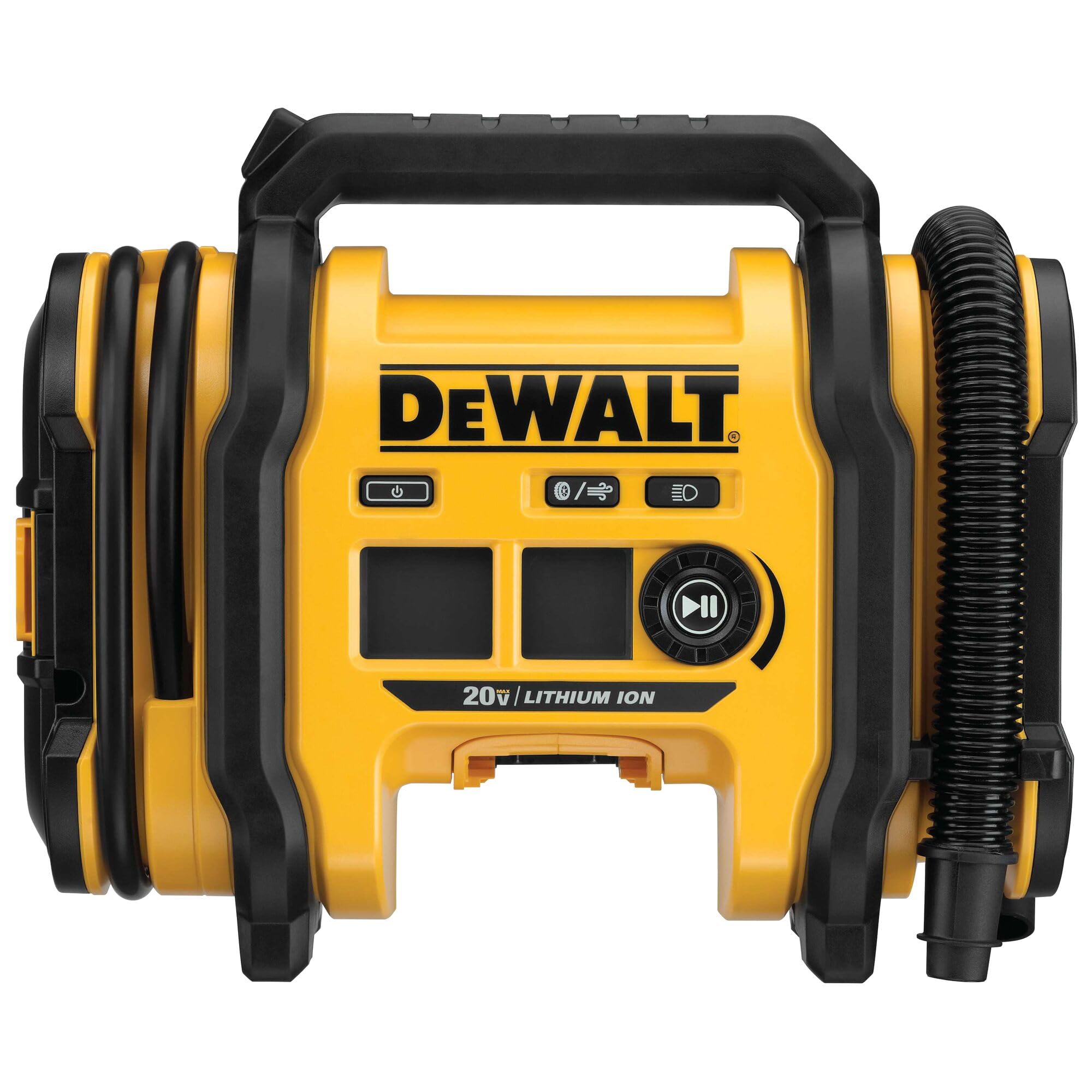
DEWALT DCC020IB 20V MAX Inflator
- Runs on 20V MAX battery, 12V DC, or 110V AC
- Digital gauge with auto shutoff
- High-pressure and high-volume modes
- Battery and some adapters may be sold separately
Which Type Should You Choose If Fuses Keep Blowing?
| Your situation | Better direction | Why |
|---|---|---|
| Small car, occasional top-offs | Basic 12V digital inflator | Simple, inexpensive, and usually enough for normal tire maintenance. |
| Older car outlet or unreliable cigarette lighter socket | AC/DC or cordless inflator | Gives you a backup power method instead of relying only on the vehicle outlet. |
| SUV, pickup, or longer vehicle | Heavier 12V model with battery clamps | Battery clamps and longer hoses can provide a more stable setup for larger vehicles. |
| Repeated blown fuse with the same pump | Stop using that pump | Repeated fuse failure can indicate internal damage, overload, wrong tire size, or unsafe power draw. |
Need a safer replacement?
Compare vehicle-powered options before buying another 12V pump, especially if your old inflator repeatedly shuts off or blows fuses.
Tire Inflator Fuse FAQ
Where is the fuse on a tire inflator?
It depends on the model. Some 12V inflators have a fuse inside the cigarette-lighter plug, while others rely on the vehicle’s 12V outlet fuse. Check your product manual before opening any part of the plug.
What fuse size does a 12V tire inflator use?
There is no universal fuse size. Some 12V inflators use a 15A fuse, but the correct rating depends on the specific model. Match the manual exactly and do not use a higher amp fuse.
Can I use a higher amp fuse in my tire inflator?
No. A higher amp fuse can allow unsafe current draw and may damage wiring, plugs, or the inflator. If the correct fuse keeps blowing, stop using the unit and investigate the cause.
Why does my tire inflator keep blowing fuses?
Common causes include a weak 12V socket, too much continuous runtime, an oversized tire, blocked hose, incorrect power source, or an internal fault. A fuse that keeps failing is a warning sign.
Can a car cigarette lighter fuse stop a tire inflator from working?
Yes. If the vehicle’s 12V outlet fuse is blown, the inflator may have no power even if the inflator itself is fine. Check the vehicle owner’s manual for the outlet fuse location and rating.
Should I repair a tire inflator with no power?
You can safely check the plug, outlet, manual, and user-replaceable fuse. Avoid opening the motor housing, modifying wiring, or bypassing safety parts. If the issue continues, contact support or replace the inflator.